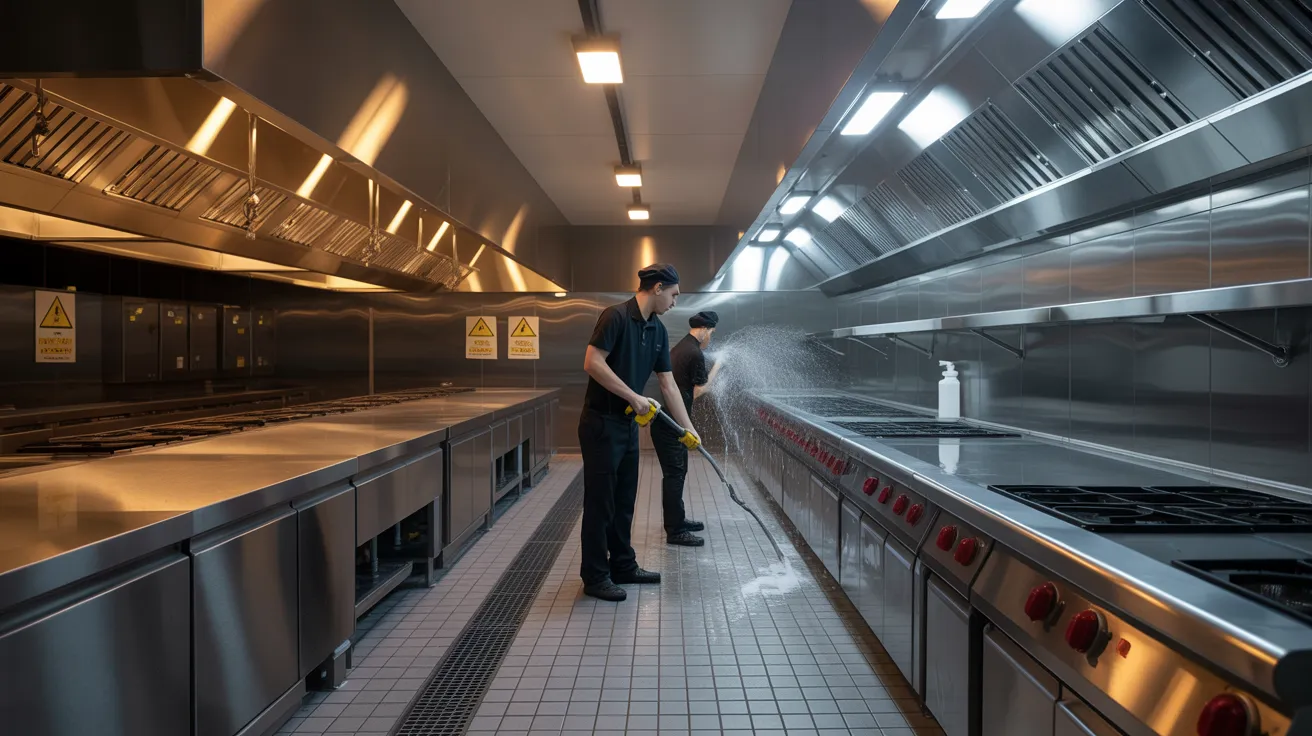
Commercial hygiene experts located in Brampton ensure food service establishments, food distribution facilities, baking enterprises, warehouses, and mobile food units to sanitation standards. They disinfect high-touch surfaces, food prep surfaces, equipment, floors, drains, restrooms, and food handling areas with certified chemicals, at proper strength, and using documented contact periods.
Key Takeaways
- Brampton sanitation experts maintain restaurants, grocery departments, commissaries, warehouses, bakeries, schools, mobile vendors, and allergen-sensitive operations.
- Frequently contacted areas, food-contact equipment, kitchens, floors, drains, restrooms, and storage areas are sanitized using area-specific procedures to prevent cross-contamination.
- Approved sanitizer dilution, appropriateness, and exposure duration are validated by certified vendors, with completion recorded via checks, assessments, and remedial documentation.
- Cleaning plans must respect danger, output capacity, format changes, accidents, and guidelines, with daily, regular, and seasonal duties allocated by section.
- Insurance, color-coded instruments, HACCP, health regulatory understanding, safety training education, credentials, and inspection-ready maintenance files are essential vendor traits.
Food Safety Cleaning Requirements for Brampton Establishments
You must comply with food safety cleaning if your operation is falls under public health inspection, food premises regulations, or internal HACCP-based controls. This covers restaurants, cafeterias, commissaries, grocery food departments, butcher shops, seafood counters, convenience stores, and institutional kitchens.
You'll additionally need proper hygiene protocols in storage centers, processing facilities, refrigerated warehouses, bakery retailers, school nutrition programs, event halls, and delivery centers. Mobile and temporary businesses matter as well, such as food trucks, festival vendors, and pop-up establishments. If your workers process ingredients, portion ready-to-eat items, reheat products, or store allergens, your establishment requires recorded sanitation procedures. In Brampton, sanitation remains mandatory; it comprises legal, operational, and consumer protection compliance.
What Do Brampton Cleaning Experts Clean?
Your facility requires professional cleaners who disinfect frequently contacted surfaces, kitchens, floors, and restrooms to maintain food safety compliance and public health standards. These specific areas are emphasized due to their elevated cross-contamination potential, hazardous walking conditions, and violations of hygiene standards.
By knowing exactly what gets cleaned, you can make sure your operation's sanitation protocols satisfy all operational and regulatory requirements.
High-Touch Surface Sterilization
determine how often each area is sterilized
if findings are above target thresholds. Additionally, they prevent cross-contact by changing cloths, maintaining one-way workflows
Cooking Zones, Walking Surfaces, and Restroom Environments
Professional cleaners in Brampton concentrate on kitchens, floors, and restrooms given that each location involves distinct contamination control, slip-and-fall, and public health requirements. In industrial kitchens, you need degreasing on cook lines, equipment exteriors, drains, prep surfaces, and splash zones to reduce contamination and pest pressure.
Floor care that is recorded should also be anticipated. Technicians clean and remove buildup from tile grout, ceramic surfaces, and vinyl floors, then apply correct drying techniques so you can reduce slip incidents and maintain code-compliant conditions. They also address entryways where moisture and debris migrate indoors.
Restroom cleaning involves sanitizing touchpoints, fixtures, partitions, dispensers, and waste containers, replenishing amenities and managing odor. They also service restaurant moprooms, where chemical storage, sink hygiene, and drainage conditions can affect sanitation compliance and staff safety daily.
Why Food Safety Cleaning Matters in Brampton
Brampton businesses need to establish proper sanitation practices for satisfying health code requirements and passing inspections. You also minimize bacterial spread through proper cleaning of food-preparation surfaces, appliances, and frequently-touched items. Most importantly, you help protect community wellness by reducing the chance of food poisoning in your establishment.
Sanitary Standards Adherence
Brampton food companies must comply with rigorous sanitary regulations, so food safety cleaning is key to meeting health codes, defending customers, and preventing penalties. You must maintain sanitized food contact points, verifiable cleaning logs, appropriate product handling, and documented employee protocols that align with municipal and provincial inspection expectations.
During regulatory examination of your operation, inspectors assess whether your cleaning procedures facilitates protected inventory management, machinery hygiene, waste handling, and bathroom upkeep. Well-maintained cleaning files permit you to demonstrate due diligence during compliance reviews and prove that your methods are standardized, replicable, and documented.
Contamination Control
Meeting regulatory requirements also depends on your capacity to stop cross-contamination during routine food preparation and sanitation. You must keep raw items away from prepared dishes, sanitize prep surfaces between tasks, and keep cleaning products separate from food areas. Established guidelines minimize contamination chances and support consistent compliance during inspections.
You should implement allergen segregation to prevent major allergens from touching shared surfaces, containers, or equipment. Use dedicated cutting boards, color-coded tools, and careful equipment identification so staff don't mix items throughout cooking or serving. Require handwashing after handling raw meat, seafood, eggs, or allergen-containing products. Replace wiping cloths regularly, and verify sanitizer strength with test strips. When you train staff to follow these controls every shift, you build a more hygienic, secure workplace that meets Brampton's food safety expectations daily.
Community Health Assurance
If food safety cleaning declines, you don't merely face potential inspection issues—you boost the probability of foodborne illness harming customers, staff, and the broader Brampton region. You also weaken your role in safeguarding community wellness, especially in high-traffic food premises where pathogens travel quickly through surfaces, equipment, and touchpoints.
You must establish sanitation protocols that remove contaminants, sanitize properly, and verify outcomes. This involves adhering to contact periods, utilizing approved disinfectants, logging schedules, and training employees to satisfy regulatory standards. These mechanisms support disease prevention by decreasing microbes before contaminating food or surfaces. Across Brampton, strong cleaning protects at-risk populations, limits outbreak risk, and demonstrates accountability. When you follow standards, you go beyond requirements—you meaningfully reduce risk and facilitate secure food handling city-wide.
How Can Cleaning Practices Ensure Food Safety Compliance?
Strict sanitation practices ensure food safety compliance by reducing contamination risks, managing pathogen expansion, and maintaining your facility's adherence to sanitation requirements under HACCP-based programs and public health regulations. You validate that food-contact surfaces stay visibly clean and microbiologically controlled, supporting documented preventive controls and inspection readiness.
Effective cleaning also enhances allergen mitigation by clearing residues that can trigger undeclared allergen exposure. by removing residues that can provoke undeclared allergen exposure.
Finding When to Schedule Commercial Cleaning
You'll achieve the best results from cleaning routines that account for risk, production volume, and regulatory requirements rather than view now a rigid calendar system alone.
shutdowns, weather-related soil buildup, or pest-control pressure periods.
Selecting the Right Brampton Cleaning Experts: Key Considerations
Evaluate providers first by sanitation compliance standards rather than cost. You must ensure each provider understands CFIA, public health, and HACCP requirements for your business. Request insurance proof, WHMIS compliance, staff training documentation, and supervision methods. Check technician understanding of cross-contamination risks, chemical safety, and documented sanitation practices.
You should also assess business dependability and responsibility. Request references from food facilities in Brampton, then examine response times, corrective actions, and communication standards. Confirm the company supports supplier audits and can present inspection-ready documentation when regulators or third parties request evidence. Check whether equipment maintenance is performed, color-coded implements are used appropriately, and site-specific hazards are recognized. A competent service protects regulatory adherence, product integrity, and your brand reputation.
Which components are contained in a Food Safety Cleaning Plan?
Document a plan that outlines every sanitation activity, guideline, and role before starting production. You should include cleaning frequencies, approved chemicals, dilution rates, contact times, tools, and verification methods for each area, surface, and device. Remember to add pre-operational inspections, corrective actions, and employee training requirements.
Your strategy should also address contamination prevention controls, waste handling procedures, pest management measures, and written schedules for rest areas, drains, flooring, and food-contact surfaces. Detail how you'll separate raw and ready-to-eat processes, support ingredient tracking, and ensure accurate allergen labeling through validated cleaning between product changes. You should assign accountability, maintain signed records, and review results against regulatory standards, HACCP controls, and customer requirements. When gaps appear, modify procedures immediately and instruct staff.
Frequently Asked Questions about the Plan
Do cleaning services work during nighttime hours at Brampton facilities?
Yes, you can book sanitation coverage to support overnight shifts in Brampton facilities. You'll coordinate nighttime cleaning around production schedules, security protocols, and personnel needs. Services typically establish nighttime procedures to minimize disruption, stay compliant, and record finished tasks. You should verify response times, management, lockout protocols, and disposal procedures before starting service.
Can Brampton cleaning experts handle hazardous incidents?
Yes, you can expect Brampton sanitation professionals who provide hazard containment solutions. They manage hazardous materials, assess risks, isolate affected areas, and begin swift cleanup to minimize risk and prevent business interruption. You should verify arrival timeframes, training certifications, PPE protocols, and waste management. If your facility must comply with industry standards, choose a provider that records events, follows compliant standards, and enables compliance verification.
Do eco-friendly disinfectants operate safely on food preparation areas?
In essence, green disinfectants are safe for food-handling equipment provided you buy solutions certified for food use that comply with regulatory standards. Confirm contact duration, dilution ratios, and rinse requirements before use. Botanical formulations reduce chemical hazards, although you require demonstration of efficacy against target microorganisms. For maintaining residue-free conditions, implement exact manufacturer guidelines and confirm the cleaning agent satisfies food sanitation requirements.
Can cleaning plans change with seasonal shifts?
Yes, you can tailor sanitation programs for seasonal shifts. You should modify intervals, staff levels, cleaning agents, and verification steps to fit production rhythms while maintaining regulatory requirements. You'll minimize production downtime by timing sanitation around equipment transitions, peak seasons, and equipment use patterns. You should additionally update standard operating procedures, instruction programs, and facility monitoring to address transient threats, emerging allergens, or increased soiling. Regular reviews maintain your strategy current.
Are professional cleaning companies offering employee instruction on sanitation best practices?
Yes, commercial cleaners often train your team on hygiene standards. You get staff training on proper chemical use, contact times, cross-contamination prevention, equipment disassembly, and documentation. They generally follow instruction with HACCP, GMP, and CFIA or local public health requirements. Many perform hygiene inspections to verify compliance, identify gaps, and reinforce corrective actions. This allows you to maintain consistent procedures, pass inspections, and reduce food safety risks regularly.
Final Thoughts
When you partner with Brampton food safety and commercial cleaning specialists, you don't just tidy up—you maintain your facility inspection-ready and your protocols above board. From processing areas to kitchen spaces, every clean surface and maintained area helps reduce unwelcome guests and avoid expensive problems. By scheduling service at the right intervals and adhering to a detailed cleaning schedule, you safeguard employees, patrons, and your reputation. In a tightly regulated environment, sanitary conditions are essential—they're part of doing business right.